BACK

Asset Management

Asset Management

Asset Management

About The Project

The Asset Management module was crucial for both industrial and building management. It aimed to efficiently onboard all assets, enabling real-time monitoring and allowing flexibility to enhance assets with new properties. As the platform's backbone, it needed seamless synchronization with other modules. Despite challenges, I designed intuitive screens that aligned with user goals and ensured a user-friendly experience. As my first project as the sole designer, it’s a project I’m particularly proud of.

Target Audience

30-50 Years old

Duration

5 weeks

My Role

Research

Wireframe

User Flow

Design System

Visual Design

Prototype

Tools

Figma

Figjam

Excalidraw

Problem

⚠️

Complex Asset Onboarding Process: Efficiently onboarding a large number of diverse assets within a site or building presented a significant challenge.

Real-Time Monitoring Requirements: The need for real-time monitoring of assets required a robust and reliable solution.

Adaptability of Assets: Users needed the flexibility to enhance assets by associating new properties to adapt them to specific requirements.

Integration with Other Modules: Ensuring seamless synchronization with other modules within the platform was critical to maintain coherence and functionality.

Intuitive Design Necessity: Given the central role of the Asset Management module, an intuitive and user-friendly design was paramount to meet user goals effectively.

Major Impact

👩🏻‍💻

Enhanced Asset Onboarding: The streamlined onboarding process significantly reduced the time and effort required to manage assets, improving operational efficiency.

Enhanced Asset Onboarding: The streamlined onboarding process significantly reduced the time and effort required to manage assets, improving operational efficiency.

Improved User Experience: The intuitive design and user-friendly interface ensured that users could easily navigate and utilize the module, enhancing satisfaction and productivity.

Improved User Experience: The intuitive design and user-friendly interface ensured that users could easily navigate and utilize the module, enhancing satisfaction and productivity.

Real-Time Monitoring Capability: The real-time monitoring feature provided users with immediate access to critical information, enabling better decision-making and asset management.

Real-Time Monitoring Capability: The real-time monitoring feature provided users with immediate access to critical information, enabling better decision-making and asset management.

Increased Flexibility and Integration: Users could customize assets with new properties, enhancing the module's value. Seamless synchronization with other platform modules ensured a cohesive and integrated user experience.

Increased Flexibility and Integration: Users could customize assets with new properties, enhancing the module's value. Seamless synchronization with other platform modules ensured a cohesive and integrated user experience.

Key Learnings

💪🏼

Understanding User Needs: Gaining a deep understanding of user requirements was essential in designing a module that truly catered to their needs.

Understanding User Needs: Gaining a deep understanding of user requirements was essential in designing a module that truly catered to their needs.

Importance of Flexibility: Flexibility in design allowed for the adaptation of assets to specific user requirements, enhancing the module's usefulness.

Importance of Flexibility: Flexibility in design allowed for the adaptation of assets to specific user requirements, enhancing the module's usefulness.

Effective Collaboration: Collaborating closely with the development team and other stakeholders was crucial in overcoming challenges and ensuring a cohesive product.

Effective Collaboration: Collaborating closely with the development team and other stakeholders was crucial in overcoming challenges and ensuring a cohesive product.

Balancing Complexity and Usability: Striking a balance between the complexity of functionalities and the simplicity of the user interface was vital in delivering a successful solution.

Balancing Complexity and Usability: Striking a balance between the complexity of functionalities and the simplicity of the user interface was vital in delivering a successful solution.

Solution

Streamlined Onboarding: The module provided a streamlined process for onboarding all assets, simplifying the management of a large number of assets.

Streamlined Onboarding: The module provided a streamlined process for onboarding all assets, simplifying the management of a large number of assets.

Real-Time Asset Monitoring: It enabled real-time monitoring, offering users up-to-date information and control over their assets.

Real-Time Asset Monitoring: It enabled real-time monitoring, offering users up-to-date information and control over their assets.

Flexible Asset Enhancement: Users could easily associate new properties with assets, allowing them to customize and adapt assets to their specific needs.

Flexible Asset Enhancement: Users could easily associate new properties with assets, allowing them to customize and adapt assets to their specific needs.

Seamless Synchronization: The module was designed to synchronize seamlessly with other modules, ensuring an integrated and cohesive platform.

Seamless Synchronization: The module was designed to synchronize seamlessly with other modules, ensuring an integrated and cohesive platform.

User-Friendly Design: The intuitive design facilitated easy navigation and operation, enhancing the overall user experience.

User-Friendly Design: The intuitive design facilitated easy navigation and operation, enhancing the overall user experience.

Design Process

User Flows

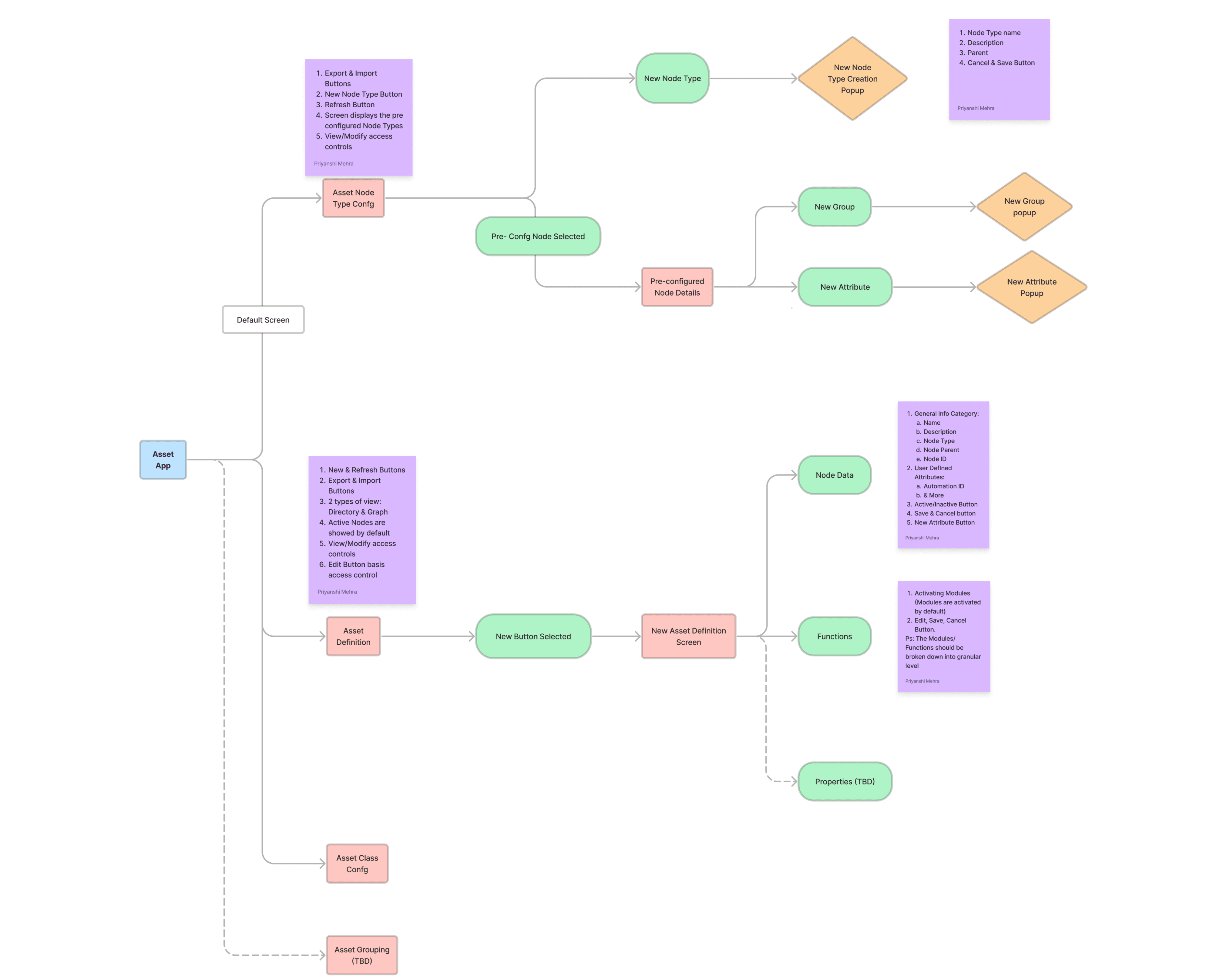
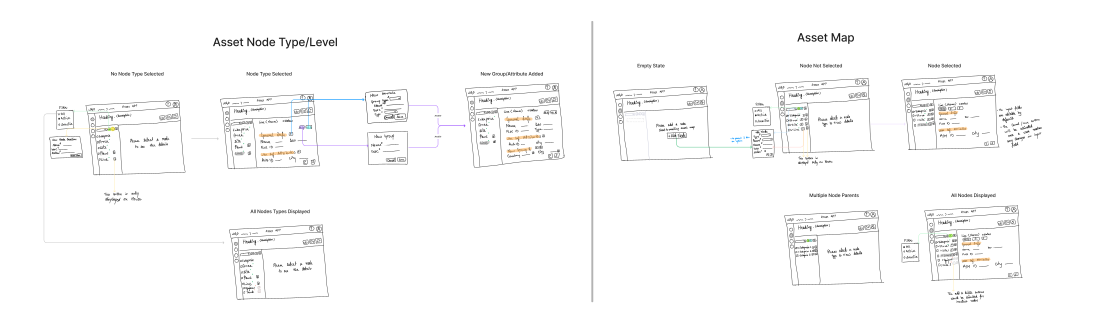
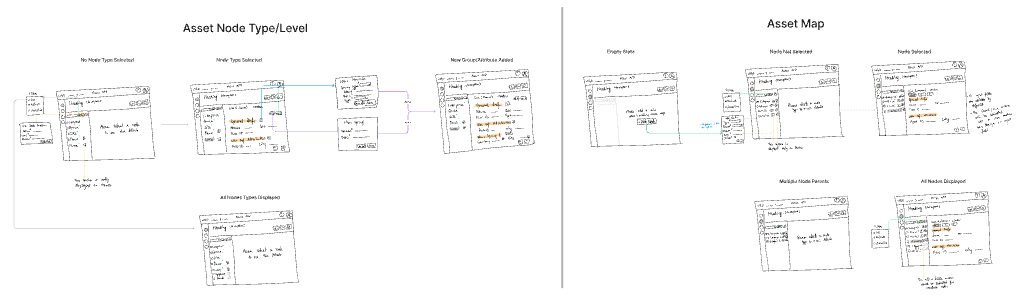
Based on multiple discussions developed user flows, as these flows provided a clear understanding of the various actions users could take and the elements to be included on each screen.
Wireframes

The wireframes were created basis the above user flows. These wireframes were extensively discussed with stakeholders and cross-functional teams in the early stages to guarantee consensus among all teams. Including the frontend team early in the process was seen as vital to identify and address any potential limitations promptly. Likewise, the backend team received a comprehensive briefing upfront regarding the varied requirements, and their potential limitations were thoroughly discussed and taken into consideration.
Final Designs

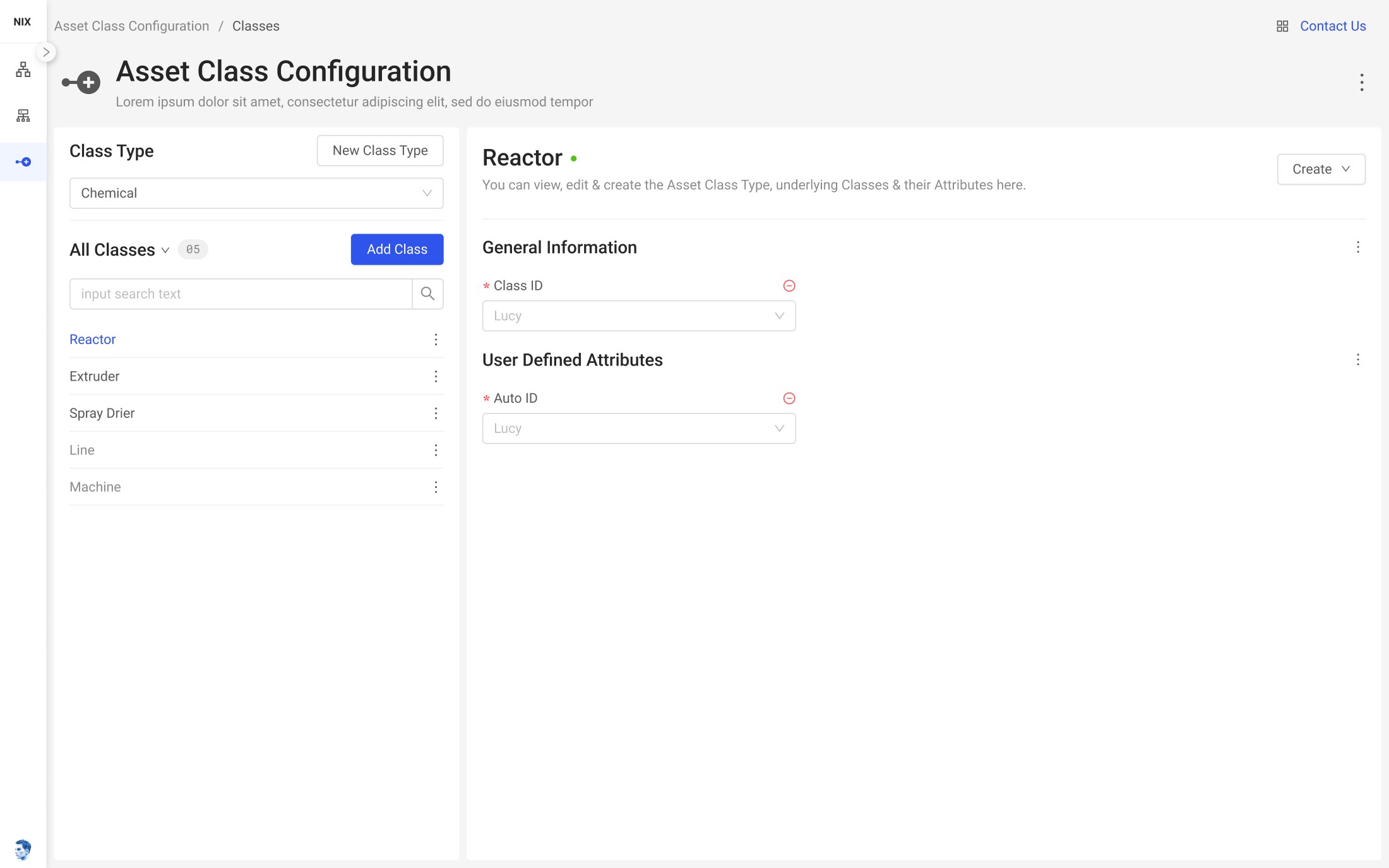
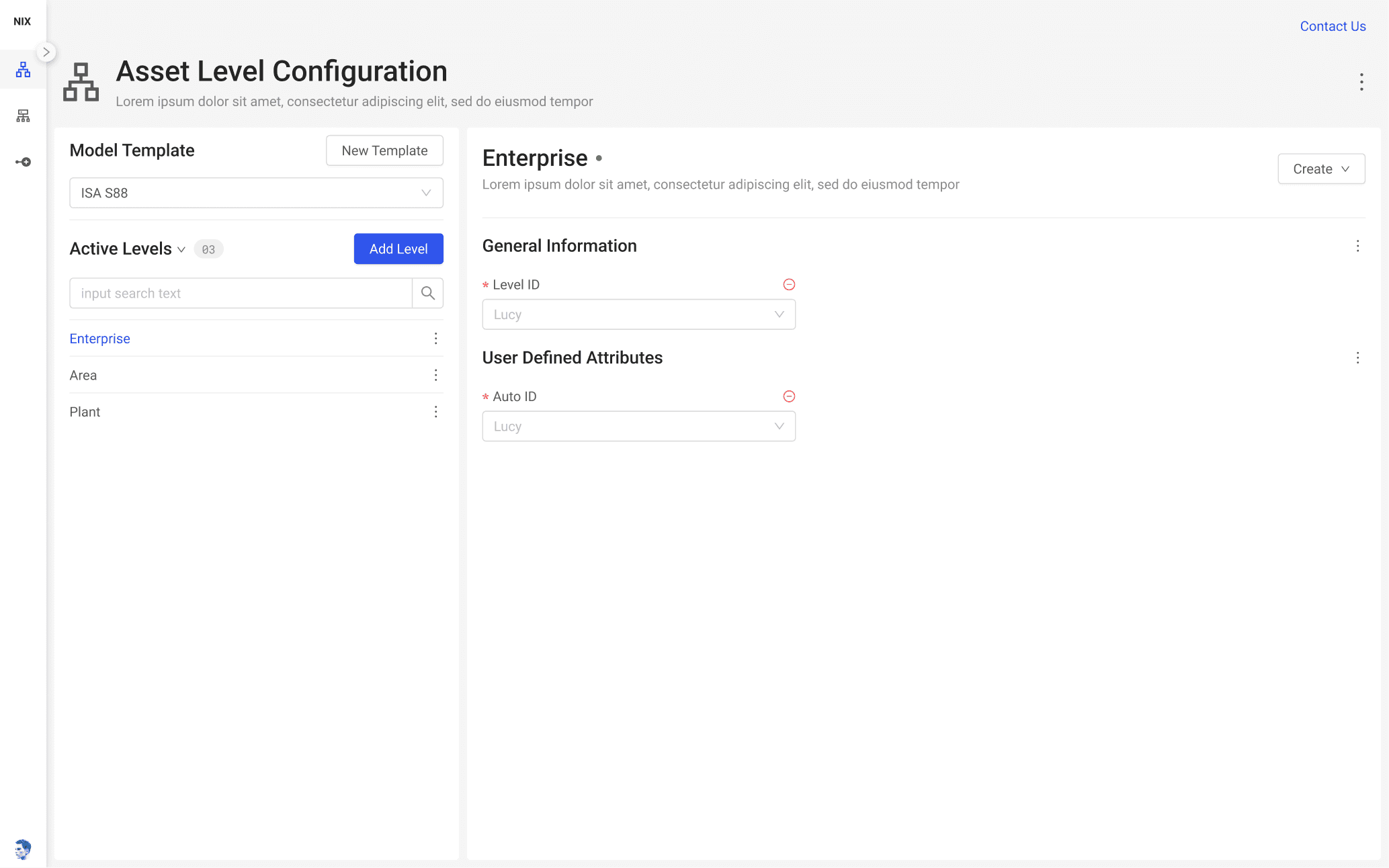
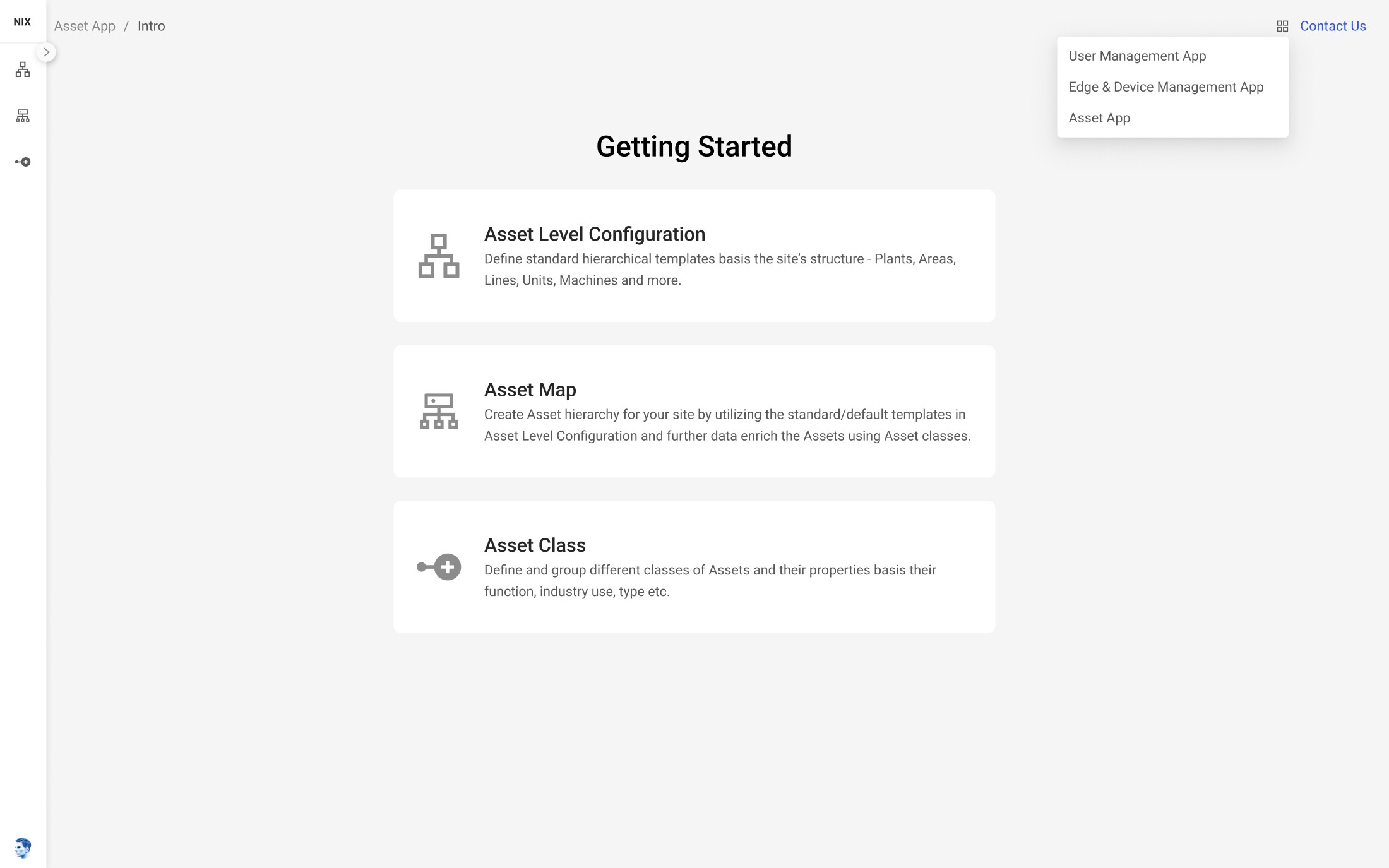
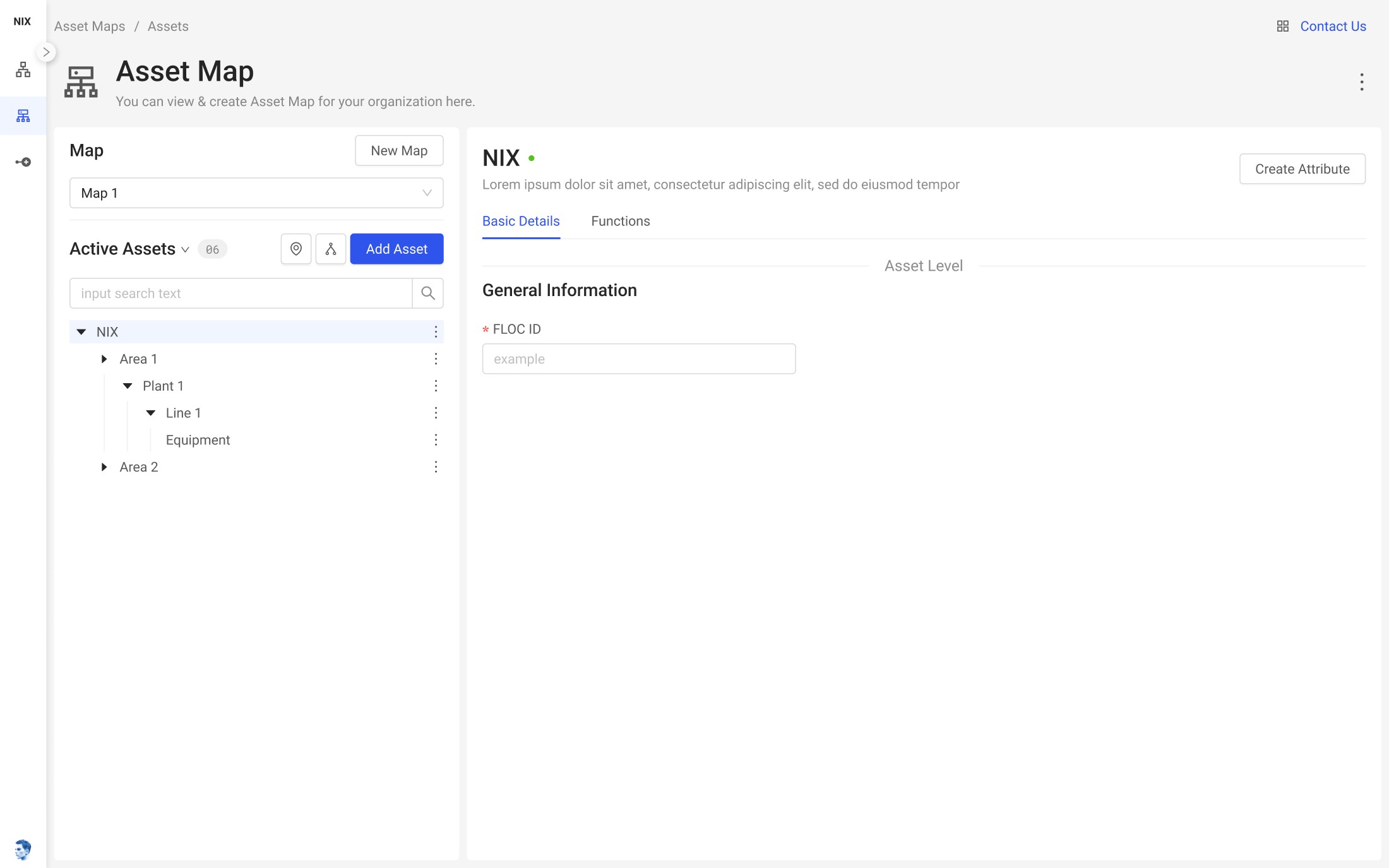
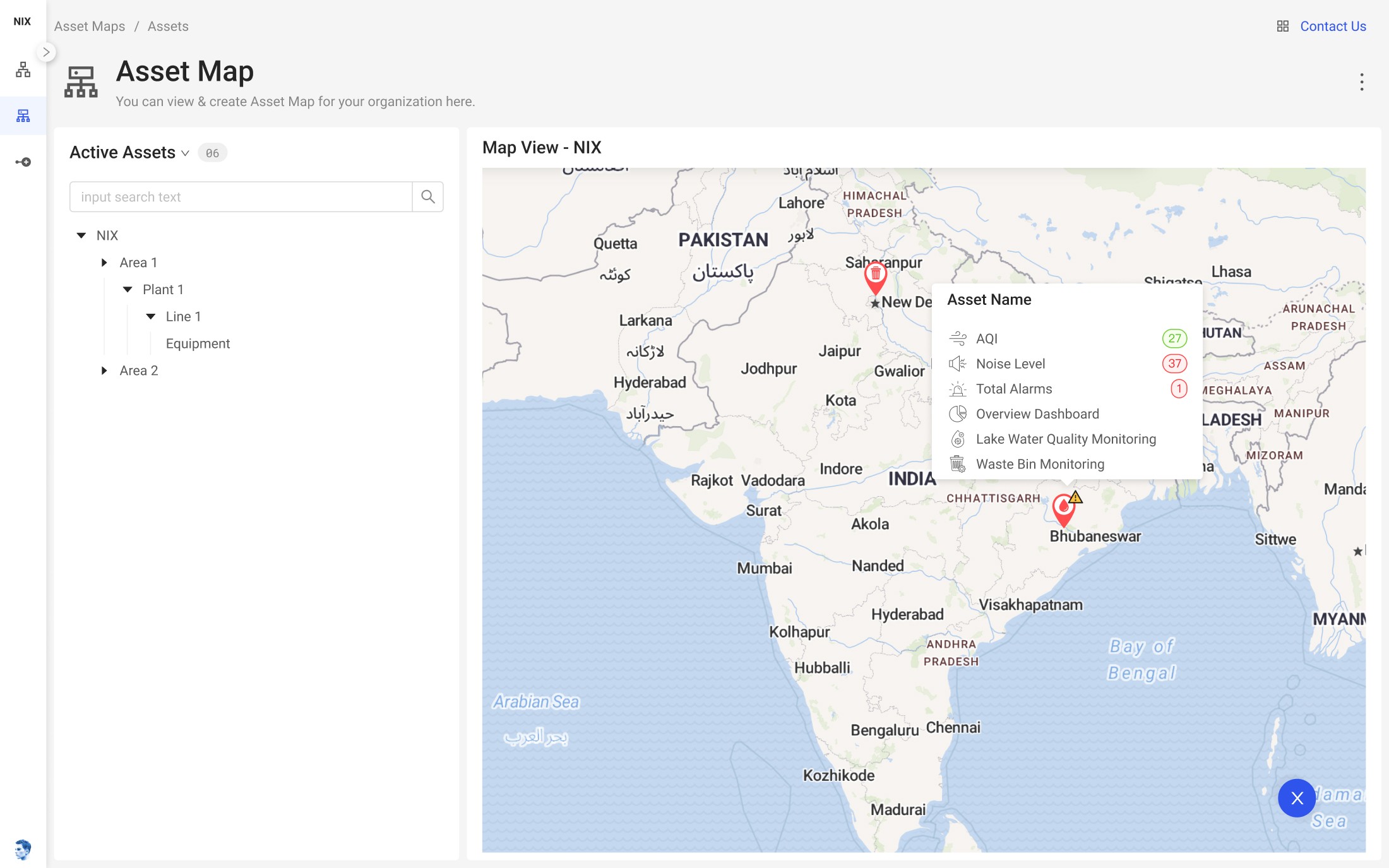
The designs had a straightforward and user-friendly approach, recognizing the platform's data-heavy nature. The design choices prioritized maintaining a smooth user flow, ensuring that the user experience remained unhindered despite the abundance of data. This led to a minimalistic design, minimizing distractions and fostering a focused interaction for the user.
Create a free website with Framer, the website builder loved by startups, designers and agencies.